Staying in Place: Compensation and Endpoints

Red queen running


Man’s leaning against a wall. He doesn’t move for hours. Just stands there not moving. Finally, someone says, “You been here all day — don’t you have anything to do?”

“I’m doing it,” he answers.

“Doing what?”

“Holding up the wall.”


And who’s to say he’s not? Maybe he’s working as hard as he can to make sure that wall doesn’t fall down.

In this situation, the man is a compensating mechanism. He is struggling to prevent changes in the wall; keeping that wall upright is an endpoint he cares to maintain, to sustain, to keep intact.

How do we know that the wall isn’t holding up the man? Because we don’t care about the man. Whether he leans or falls doesn’t matter much to anybody. But it would be a terrible thing if the wall collapsed. So we’ll let the man lean or shift in order to prop up the wall when it starts to totter — we’ll use him, adjust him, to compensate for any wall-changes. That’s why he’s there.

If the wall gets weak enough or tilts too far, though, he won’t be able to keep it up. He’ll try, but he’s not infinitely strong, and then maybe the wall begins to tilt or collapses completely. Since we know that under normal circumstances, he’s doing his best to prevent this, if we walk in and see that the wall is tilting, that is not a good sign. It may mean that despite his best efforts, the man has exhausted his strength and is no longer able to resist further wall-changes; or it may mean that, for some reason, the man isn’t doing his job properly. Either way, any further tilting will be unopposed, and will probably happen rapidly and uncontrollably.


Compensators and endpoints

This same dynamic plays out within the human body. As we know, living organisms seek to maintain a certain homeostatic equilibrium. We put our vital metabolic processes in motion and we don’t want them to halt or change, despite any insults or fluctuations imposed upon us by our surrounding environment. So our bodies struggle to keep all of our complex systems at an even keel, using a diverse and powerful array of knobs, dials, and other regulatory tools. Not too hot or too cool, not too acid or too basic, not too fast or too slow. Just right.

The kicker is this, however. Some of our physical parameters are more important than others. In other words, while some parameters have room to adjust, others aren’t negotiable, can’t change much, without derailing our basic ability to function and survive. Things like blood pressure (or at least tissue perfusion, for which blood pressure is a pretty good surrogate measure) are essential to life; your pressure can fluctuate a little, but if it drops too low, you are unquestionably going to suffer organ damage and then die. And yet there are many insults that could potentially lower our blood pressure if we let them: if we bleed a little, or pee a little, or don’t drink enough water, or sweat, or even just stand up instead of sitting down. How do we preserve this vital parameter despite such influences?

By compensating, of course. Our body gladly modulates certain processes in order to preserve other, more important parameters. So in order to maintain blood pressure, perhaps we accelerate our heartrate. In an ideal world, it might be nice if the heart were thumping along at — let’s say — a mellow 80 beats per minute. It’ll use little less energy and less oxygen than if it were beating faster. But it’s really important to keep our blood pressure up, and speeding up the heart can increase the pressure, so we gladly make that trade and induce tachycardia. (Many of these compensatory systems are linked to the sympathetic nervous system, our body’s standard “all hands on deck” response to stress and crisis.)

So imagine we find a patient who’s bleeding and notice that he’s tachycardic, with a normal blood pressure. This suggests a compensated shock; the body is using tachycardia to maintain that normal pressure we see; although his volume is lower than usual, the critical endpoint of adequate blood pressure is still intact.

But what if instead, we found him tachycardic and hypotensive? Well, that’s not good. We see that the body is trying to compensate, but we also see that the important endpoint — blood pressure — is falling nonetheless. The body would never intentionally allow that; BP is too important. So we recognize this as decompensated shock. The hypovolemia has progressed so far, and volume is now so low, that he can’t make up the difference anymore — the compensatory slack has run out — and any further decreases in volume will probably lead to an immediate and unopposed drop in pressure. There’s nothing more the body can do on its own; it’s out of rope.

The skilled clinician — or “homeostatic technician” as Jeff Guy says — uses this predictable progression to understand what’s happening in almost any crisis. Because primary insults are initially covered up by compensatory mechanisms, they may not be immediately apparent, and the earliest and most detectable signs of physical insult are usually nothing more than the footprints of the answering compensation. Thus, when when we encounter those, we know to suspect the underlying problem even if it’s not obvious yet. It’s like seeing brakelights flash from cars on the road ahead; even if you can’t see an obstacle yet, you know people are slowing down for something.

Obvious signs of decompensation usually show up late. Once the primary, underlying problem is revealed by failure of the corrective mechanisms, it’s often progressed so far that it’s too late to address. If you wait to brake until you can see the wreck itself, you might not be able to stop in time.


Two signposts for decompensation

There are two great ways to recognize which signs and symptoms connote decompensation.

The first is to understand which physical parameters are endpoints — which functions the body tries to preserve at all costs. These processes are only compromised as a last resort, so if you see them deteriorate, things are in the end-game; the body doesn’t intentionally sacrifice these for the benefit of anything else.

The second clue is more subtle. In this case, you observe a compensatory mechanism (not an endpoint), but find that it’s no longer successfully compensating — it’s failing, and starting to unwind and scale back, rather than doing its job. The changes in the compensatory system are inappropriate, resulting in less of what we need, not more. This happens when our systems are so damaged that they can’t even fix problems and pursue homeostasis anymore; our infrastructure, maintenance, and repair systems are breaking down. Consider this: we saw how tachycardia could be compensatory, but could bradycardia ever be beneficial in shock? Probably not. So if we found a shocked patient with bradycardia (and likely hypotension, the failing endpoint), we should be very alarmed indeed. There’s nothing helpful, compensatory, or beneficial about bradycardia in the setting of shock, so we recognize that the body would never go there on purpose. It’ll only happen when the machinery itself is falling apart.

Consider, for instance, Cushing’s Triad, the collection of signs often encountered after severe traumatic brain injury, when intracranial pressure has increased enough to squeeze the brain out from the skull like toothpaste. The triad includes hypertension, bradycardia, and irregular or slow respirations. What’s interesting is that, while all are a result of increased ICP, one of these is compensatory, while the others are merely the result of damage. Hypertension is the body’s compensatory attempt to force blood into the brain despite the elevated pressure in the skull. But bradycardia and bradypnea simply result from pressure upon the regulatory centers of the brain tasked with maintaining breathing and heart-rate. That’s why hypertension may be seen earlier, while the other two signs won’t usually manifest until the brain is actively herniating. One signals compensation, the other two decompensation.

Of course, there can be other reasons why compensatory mechanisms might fail, or at least exhibit lackluster performance. Some medications or other aspects of a medical history (potentially unrelated to the current complaint) might throw a wrench in the system. For instance, beta blockers (such as metoprolol and other -olol drugs) limit heart-rate as part of their basic mechanism, so patients with beta blockade often have trouble mustering compensatory tachycardia during shock states. That doesn’t mean they’re any less shocked; in fact, it means they’re more susceptible to hypotension, and that you must be especially on the lookout, because you won’t see one of the red flags (a rapid heart-rate) you might usually expect. Elderly patients with many comorbidities are generally not able to muster up effective compensation for anything, so they can deteriorate quickly, and without much fanfare. Ironically, healthy pediatric patients are the opposite: since they’re so “springy” and smoothly functioning, they compensate very well, with few changes in observable endpoints, until suddenly running out of slack and crashing hard because they’re already so far from shore.

Here are a few important compensatory signs, breakdowns of compensatory systems, and vital physical endpoints:


Appropriate signs of compensation

  • Tachycardia — increases cardiac output
  • Vasoconstriction (cool, pale skin) — raises blood pressure
  • Diaphoresis (sweatiness) — decreases temperature when necessary, but is often just a side effect of sympathetic stimulation
  • Tachypnea — increases oxygenation, CO2 blowoff, and cardiac preload
  • Fever — part of the immune system’s response to infection
  • Shivering — warms a hypothermic body

Inappropriate changes in compensatory mechanisms

  • Bradycardia — reduces cardiac output, rarely useful in illness; as a chronic finding may be the result of high levels of cardiovascular fitness (in healthy young patients) or medications (in sick old patients); but acutely, it is an ominous finding
  • Bradypnea — reduces oxygenation, CO2 blowoff, and cardiac preload
  • Hypothermia (or normothermia when a fever is expected) — suggests a failure of temperature regulation

Inviolable endpoints

  • Blood pressure — can elevate in stress states, but should not drop below resting levels
  • Mental status — except in the presence of a drug or similar agent directly affecting cognition, maintaining appropriate alertness and mentation are always a top priority for the body
  • Blood glucose — kept at normal levels in almost all situations, except when the regulatory systems fail, as in diabetes mellitus
  • pH — most of the cellular machinery fall apart if significant acidosis or alkalosis occurs
  • Low O2 saturation or cyanosis — although oxygen saturation can dip briefly without harm, and in some patients (particularly those with COPD, or long-time smokers) it may run low at baseline, a significant acute drop — or the clinical equivalent, which is frank cyanosis — is always inappropriate.

Cuff Links and Hijinks

Any decent EMT can take the austere equipment he’s got and use it to craft all manner of weird and wonderful solutions for the challenges of prehospital medicine. Of course, doing this means understanding the tools you’ve got and all of their powers. Here are a few ideas for using the ubiquitous blood pressure cuff or sphygmomanometer. (We’ve mentioned many of these in passing before, but it’s nice to see them in living color.)


Calibrating the gauge

How to use a pair of pliers to zero the needle on a mis-calibrated dial.


Measuring airway pressure, tourniquets, and cushions

Three handy tricks: first, a method of repurposing common items to create a BVM that provides real-time measurement of the pressure created during positive-pressure ventilation (a very handy teaching tool). Second, using the BP cuff as a tourniquet. Third, using it as an air pillow to fill voids during spinal immobilization.


Do you have a trick for the blood pressure cuff we haven’t mentioned? Let’s hear it!

Managing STEMI Mimics in the Prehospital Environment: Video Lecture

A while ago we shared a PowerPoint presentation, Managing STEMI Mimics in the Prehospital Environment. This diverges somewhat from our prime directive around here by focusing on an ALS topic (ECG interpretation), but for the medics, it’s a topic that I think is important.

It’s also dense and difficult, in this case amounting to a 190+ slide presentation. In an attempt to unpack things a little, and to further explore our recent forays into multimedia content, we’ve got ahead and created a narrated slideshow walking through this subject.

This is still tough material, but as an overview it should be fairly approachable. The trick, of course, is to follow it up by viewing a large volume of pertinent ECGs to get some practice in applying the concepts. See our Links page for some great sources for practice strips, or visit the old standby, EMS 12-Lead — probably the best source on the internet for ECG education.

It’s broken into three parts, with total time of about 1:45. Treat it like a continuing education lecture, take your time if needed, and feel free to print the slides themselves for review. (Unfortunately, the lecture does assume at least a baseline ALS-level knowledge base, so if you’re just getting started with electrocardiography you may want to start elsewhere.) For any questions, throw ’em out here!

Part 1 (43:26):

Part 2 (34:06):

Part 3 (26:57):

Welcome to Scenarioville!

Scenarios are just great.

We’ve posted a number of scenarios here over the past couple years as part of our Live from Prospect St. series. These are usually nuanced cases requiring a critical diagnostic approach, and we love to dive deep and discuss all the nitty-gritty angles and considerations. It’s a nice way to learn.

There’s another benefit of scenarios, however, which I don’t think we’ve been able to achieve. The simple fact is that when you first graduate from EMT class and enter the field, there’s a great deal of stuff you need to learn. Not the textbook stuff, but the street stuff. How to manage the flow of a call, approach a scene, identify people with useful information. What kinds of diseases are common and their typical presentation (versus the uncommon, atypical stuff that textbooks love). How to monitor a radio, find an address on the map, and coordinate with other responding resources. Clinical judgment and how to apply it. That sort of thing.

It’s what you learn over time as you develop experience. And while one of the goals of a good education is to shorten that learning curve, there are some aspects you just can’t teach; you have to live it.

But scenarios can help. Because they resemble real life, they can help you understand what real life “looks like,” before you’ve spent enough years on the road that you’ve learned it the hard way. A handful of interesting scenarios isn’t enough; you need to see all the other stuff, the sheer volume of humping routine, typical patients through routine, typical situations.

So while we plan to continue the Live from Prospect St. series, we’re kicking off a new project as well: Scenarioville!

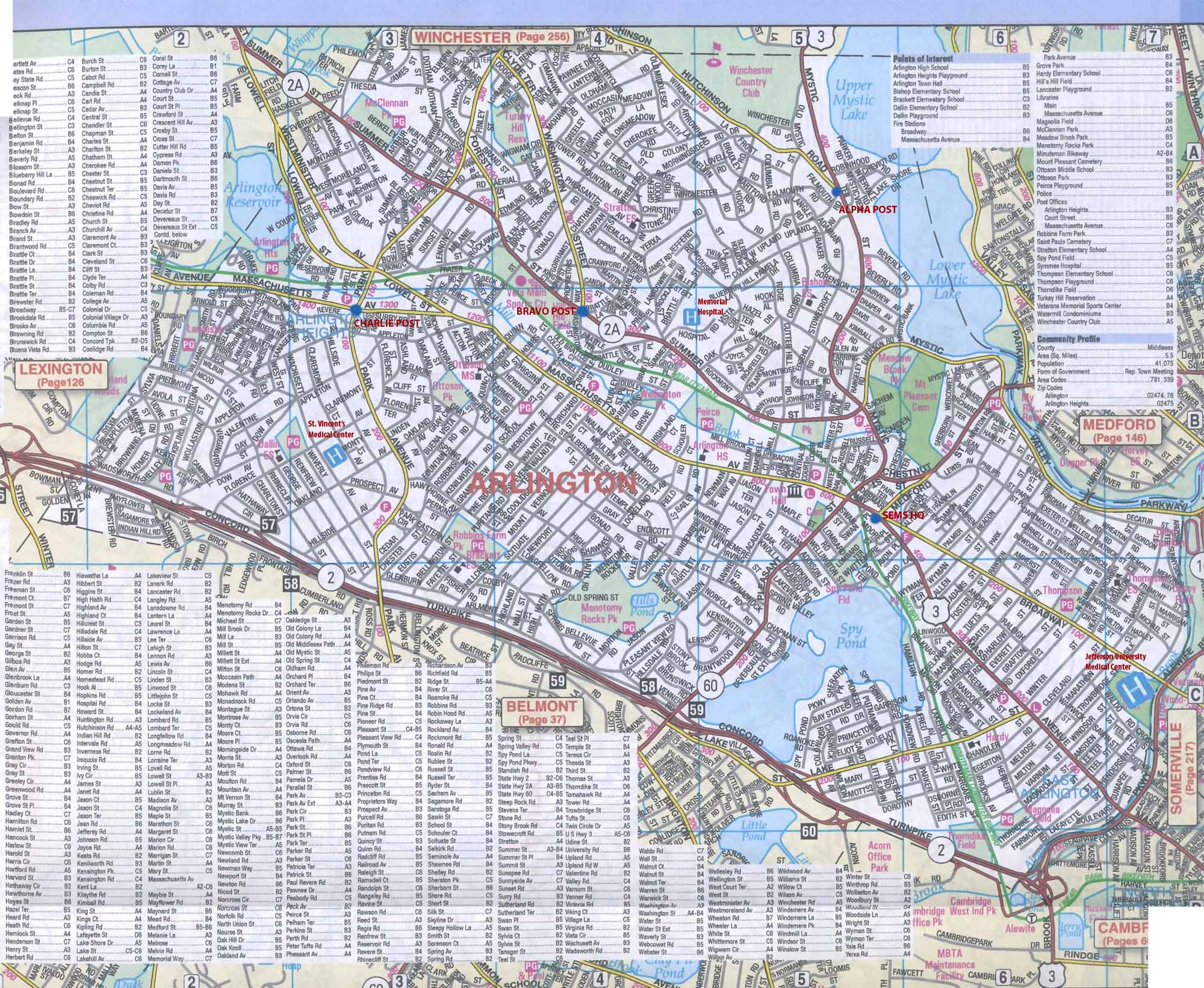
Scenarioville is an imaginary city in a parallel universe, and you work there — so to speak. Unlike our previous scenarios, this will be a consistent environment that you can learn your way around. There’s a fixed map with specific destination hospitals, an emergency system and resources you can get to know, and an equipment list that won’t change on you.

Just like in real life, this means you can “get the hang” of working in a real EMS system. You’ll be dispatched with an audio clip (a transcript is provided if you’re playing via smartphone or other device without audio capability, but if possible, try to use the recording for realism), locate the address in the “mapbook,” respond to the scene, make the decisions, and later learn the outcome. We’ll be posting at least one scenario per week — broken into segments as we usually do, but to minimize clutter, updates to each scenario will simply be added on to the existing story rather than posted as separate chapters.

These cases won’t all be interesting or emergent or in any way unusual; many will simply be standard EMS fare. They’re based on reality, but they’re fiction, and debriefing discussions will be short and to-the-point. Over time, as you play our little game and slog through call after call, you’ll hopefully start to develop something suspiciously like experience. It won’t be the same as really working out there… but it’ll be closer than the textbook.

Make no mistake, this is intended for new folks. The truly green EMT fresh out of class without any experience needs this type of drilling, and it’ll bring him much closer to functional competence prior to the day he puts on his first uniform. Experienced providers may find this suspiciously like, well, work, but they’re still encouraged to play along and lend a grizzled voice.

The first scenario is up now. Take a look, let us know what you think, bear with any initial rough edges, and stay tuned for more!

Missing your Manners


“Hi, my name is Brandon. I’m an EMT with Save-a-life Ambulance. Can I help you?”

Anybody remember that? I think it was on page 6 of the EMT textbook.

I suppose it’s about communicating your name, which is nice. And it’s about obtaining consent, which is important, although in reality, consent in EMS is usually handled the same way as consent in sexual activity — you just go until someone says stop.

But mainly it’s about courtesy and professionalism. It’s gauche to swoop into a room and just start playing with somebody’s lesions without so much as a how-do-you-do.

The trouble is that the formal intro is so hokey nobody actually uses it. Or uses anything remotely similar. And I think that’s a shame, because although it’s silly, it’s getting at something important.

We understand that people call us mainly to bring some order to their crisis. Obviously, that involves Doing Medicine. But the medicine is just a means to an end.

Why do we call plumbers? When your sink starts flooding water into the kitchen, you don’t know what to do. This situation is alien; it’s outside of your expertise. You may be very good at many things in life, such as fueling your car, tying your shoes, and making cherries jubilee, but you don’t know what to do about this.

You know that there are people who have the answers, though; they’re called plumbers. So you call a plumber, and say, make it right.

We’re the same way. People don’t know what to do when they get chest pain or crash their car. But they know that if they call 911, professionals will come who know what to do. So they call us. That’s why people sometimes ask 911 to fetch cats out of trees or ask when the circus is coming to town. It’s why the first reaction of so many motorists after a crash is to call their spouse or their dad.

The thing is, when we walk in and our first reaction is to Do Medicine, it’s not helping the problem. All that medicine is just more strangeness, unless your patient is a fellow clinician. So now their distress is going to continue until you can finally tell them what’s wrong. Except you won’t, because you don’t think you’re qualified for that. So now they’ll stay confused and scared until they get to the hospital. And on and on.

Throw them a rope!

The fastest way to restore normality to a situation is to reintroduce a familiar activity. And social courtesies are very familiar to everyone.

When you introduce yourself and shake someone’s hand, they’re transported from the confusing world of a medical crisis to something much more comfortable. They know how to do this. Smile, shake, say your name. It’s easy. They’re good at it.

Sometimes patients are visibly shocked when you do this, and seem to reset; you can literally watch them change channels. Now they’re a little calmer, a little happier, and you can work with that. With enough balls, you can pull this off in the most outrageous circumstances. Sing praise for the EMT who can walk in on the triple traumatic amputation and say “Hi! I’m Jim. What’s going on?”

Now, of course, you don’t want to minimize the patient’s distress. In an emergent situation, it can be galling and obnoxious for their freak-out to be met by your apparent apathy or boredom. That’s why you have to find a middle ground between projecting calm confidence and acknowledging the seriousness (perceived or real) of the patient’s situation. Don’t let them drag you along into panic, but don’t try to abruptly pull them to a halt either; strike a balance, pace them, and then gradually slow them back down. The point is that introducing yourself like a regular person is a powerful tool for restoring normality to a crazy situation: use that tool liberally, but intelligently.

I’ve had patients tell me I was the only Medical Person they could remember introducing themselves. That’s a damned shame. People greet each other and make a introduction when they meet. And aren’t patients people?

Podcast: EMS to ED Interface

Streamlining a patient’s entry to the healthcare continuum is one of our main roles in EMS, and the key step in most cases is when we transfer care at the emergency department. This isn’t rocket science, but you can do it well or less well, and frankly I think it’s tough to do right unless you can see the whole picture. We never really know in what ways we’re setting up people effectively for their ED care and in what ways we’re part of the problem, unless perhaps we work on both sides.

So I asked for a little help here. I sat down virtually with Dr. Brooks Walsh, ED attending extraordinaire — author of Mill Hill Ave Command and Doc Cottle’s Desk — and with Jeff, an ED nurse from my area. We discussed how to work and play together better, including topics like handoff reports, useful histories, and typical ED courses of care.

Click here to listen or download (1:15, MP3 format)

A few of the bullet-worthy points:

  • Jeff’s hospital saves time in all trauma, stroke, and STEMI activations by assigning patients an alias immediately upon notification by EMS. That way registration isn’t lurking around while the team is trying to treat the patient.
  • Cath lab activations from the field are still often about trust — whether staff knows the individual provider or the particular service calling. Rightly or wrongly, there’s also a stricter de facto standard for activation during off hours when nobody wants to get out of bed.
  • For stroke, neurology may be in the room when you arrive, but more often, especially in smaller hospitals, they’re available by page or teleconference.
  • When bringing in the stroke, try and ensure that family who can testify to time-of-onset/time-last-seen-normal, as well as consent to treatment on the patient’s behalf, are present — ideally transported with you — not unavailable in a taxi somewhere.
  • When you walk in the room, the typical team is a doctor, a nurse, a tech, then any extras — residents or other students, surgery, pediatrics, whomever. And registration is the dude with the clipboard or computer, of course.
  • When reporting to the doc, focus on: first, anything that needs to happen immediately; second, information he can’t get elsewhere (i.e. not patient medical history unless it’s not available in the records, laundry list of negatives, etc.), such as how you found the patient, general context, changes en route, etc.
  • Written PCRs are usually not read due to difficulty obtaining them and general unfriendliness (hard to find info, obscure writing), but sometimes there’s useful stuff in there, particularly in the narrative itself.
  • Baseline patient info from EMS is great if we know the patient well (frequent fliers); baseline info from bystanders, staff, family etc. is okay but less reliable.
  • Get patients to their usual facility if at all possible, especially those with complex histories, and especially anyone with recent surgical history — otherwise they’ll just get transferred later.
  • “Take me to x, my doctor is there” (meaning PCP or specialist) — less important, but can be nice if there are chronic issues and they’d like to maintain the existing treatment plan.
  • Disagreements over patient triage or treatment: find the attending or perhaps resource nurse and voice your concern. In the long-term: raise issues with the hospital’s EMS liaison (either directly or through your internal chain of command).

Clinical Judgment: How to Do Less


It was around 11:00 AM when we were called to a local skilled nursing facility for a hip fracture. The patient was a 61-year-old male with mild mental retardation and several other issues, who’d fallen last night while walking to the bathroom. He was helped back to bed with moderate hip pain, and the staff physician stopped by to check him out. A portable X-ray was performed, which the physician interpreted as showing a proximal femur fracture as well as an associated pelvic fracture. This was communicated to us via a scrawled note and a cursory report.

The patient was found resting comfortably in bed, semi-Fowler’s and alert. He had no complaints at rest, although his pelvis and left femoral region were mildly tender and quite painful upon movement. No deformity was notable and there was no obvious instability. His vitals were stable and he was generally well-appearing, in no apparent distress. He denied bumping his head and had no pain or tenderness in the head or neck.

We gently insinuated a scoop stretcher underneath him, filled the nearby voids with towels and other linen, and bundled him into a snug, easily-movable package. Then we gave him the slow ride to his requested emergency department, a teaching hospital in town just a few minutes away.

We rolled into the ED and were lifting him into bed on the scoop when a young man entered the room, bescrubbed and serious-looking. I gave a brief report. As the words “pelvic fracture” left my lips, his mental alarms started visibly beeping and flashing, and he hurriedly asked, “What kind of pelvic fracture?”

“We don’t know. All we’ve got is the radiology note, which doesn’t say much.”

“Okay, but pelvic fractures can be a big deal. It could be … ” he sucked in air, “… open-book. There could be a lot of bleeding.”

I stared at him. “Well, sure. But he’s been stable since last night, and has a basically normal physical with no complaints at rest. He’s not exactly circling the drain.”

He didn’t seem to hear me as he briskly approached the patient and began poking him and asking questions. While we pulled our stretcher out of the room, he asked, “Does your neck hurt at all?”

Now that the patient had been stuck on a scoop stretcher for over twenty minutes, he thought for a moment and then shrugged. “Sure.” The doctor immediately ordered the placement of a cervical collar.

As we escaped, he was on the phone to the SNF, and the last thing I heard was him berating them with his urgent need to know exactly what type of pelvic calamity the patient had suffered.


What was the failure here? It was a failure of clinical judgment.

Clinical judgment is a phrase which means different things to different people, and often its meaning is so nebulous (much like “patient advocacy“) that it sounds good while saying nothing. But most would agree that it means something like this: the ability to combine textbook knowledge and personal experience, applying them intelligently to the current patient’s situation to yield an accurate sense of the possible diagnoses and the costs vs. benefits of possible treatments. In other words, it means knowing what the patient’s probably got and what to do about it, which is the heart of medicine anyway. So what’s all the fuss about?

In reality, when clinical judgment is mentioned, what’s often meant is something specific: the wisdom to know when something’s not wrong. Much of medicine is about planning for the worst, ruling out the badness, and looking for the unlikely-but-possible occult killer that nobody wants to miss. As a result, we often act as if nearly everybody is seriously ill, even when they probably aren’t.

On a practical level, most complaints — from chest pain to the itchy toe — could conceivably represent a disaster. Anything’s possible. So if we want to truly adopt perfectly mindless caution, we should be intubating every patient and admitting them directly to the ICU so that we’re ready when their skin melts off and their eyes turn backwards.

But we can’t do that, and we shouldn’t. So how do we know when to do a little less? Clinical judgment.

Clinical judgment is the acumen to assess a patient and say, “I think we’re okay here. Let’s hold off on that.” It’s what you develop when you have both the knowledge and experience to understand that a person is low-risk, and that certain tests or treatments are more likely to harm than to hurt them. That doesn’t mean that nothing will be done, or that more definitive rule-out tests will not occur, but it means you’re not freaking out in the meanwhile. It’s a triage thing.

Put another way, imagine the patient who you’re placing in spinal immobilization, or providing with supplemental oxygen, or to whom you’re securing a splint. They ask, “Look, I don’t much like this; do I really need it?” Well, I don’t know, rockstar — does he? If you’re simply acting on algorithms, reflexively doing x because you found y, then you really don’t know. How important is that oxygen? To answer that, you’d need to truly understand the benefits versus the potential harms, which means having a strong grasp of the mechanism of action, familiarity with the relevant literature (including the pertinent odds ratios, NNT and so forth), prior experience with similar patients, et cetera… only with that kind of knowledge do you really understand what’s happening. In essence, the patient is asking for the informed element of informed consent, something he’s entitled to, and you can’t provide it if you don’t have it yourself.

But when you do develop that depth and breadth of knowledge, you gain a special ability. It’s the ability to do less. When you truly understand what you’re dealing with, and more importantly, what you’re not dealing with, you can titrate medicine to what’s actually needed and stop there. Along with the knowledge comes the confidence, because you don’t merely know, you know that you know; in other words, you don’t need to take precautionary steps merely because you’re worried there might be considerations you don’t understand.

When it comes to withholding anything, even the kitchen sink, you might ask, “isn’t there risk here?” And strictly speaking, there is risk. But you can set that bar wherever you want. The important thing to grasp is that “doing everything for everyone” is not the “safe” approach; overtriage and overtreatment are not benign. All those things you’re doing have a cost. They may cause real harm. Even at best, they cost time and money, and subject the patient to unnecessary discomfort and inconvenience. We’d like to minimize all that whenever possible.

So, we return to the gentleman with the pelvic fracture. Strictly speaking, fracture of the pelvis has the potential to be life-threatening; certain types of unstable fracture can cause massive bleeding, along with damage to nervous, urinary, and other structures. So a textbook response to “pelvic fracture?” might be to treat it as a high-risk trauma.

But a patient with an unstable, severely hemorrhaging open-book pelvic fracture probably wouldn’t look like that. It would be evident; it would cause a number of apparent effects, such as pain and distress, shock signs, altered vitals, deformity or palpable instability. Except in bizarre cases or in patients who are clinically difficult to evaluate, big problems create big changes. While it’s true that we don’t know exactly what the X-ray showed, so one could theoretically argue for any conceivable pathology, there’s no question that the patient appeared stable, had remained unchanged for many hours, and had apparently been judged low-acuity after evaluation and imaging by his own doctor. In other words, let’s take it easy.

The question of spinal immobilization is another example. Strictly speaking, could we rule out the possibility of a cervical spine fracture? Well, no. Not without CT and MRI and even then who knows. But the fall was many hours ago, the patient was freely mobile and turning his head throughout that period, had no peripheral neurological deficits, denied striking his head or loss of consciousness, and quite frankly, had no pain until he spent twenty minutes with his head against a metal board.

It’s not often that you find a doctor more concerned about C-spine than an EMT. How did it happen here?

Despite the fact that we delivered the patient to a major tertiary center, it was nevertheless a teaching hospital, and the new interns had just hit the wards. While this particular clinician was undoubtedly smart and well-educated, at this stage he had about two weeks of experience behind him, and that is not conducive to providing judicious (rather than applied-by-spatula) care. He had neither the experience to know when to take it easy, nor the confidence in that experience to stand by such a decision.

We don’t want to take this concept to its extreme, which would involve doing very little for most of our patients. In the end, this is still emergency medicine, and emergency care will always involve screening for the deadly needle in the benign haystack. There’s also danger in simply becoming lazy and burned-out, and using Procrustean application of cynical “street smarts” to justify never bothering with anything. The real goal is to do the right things for the right reasons, no more, no less. And to get to that point, you have to put in some time.

Live from Prospect St: The Big Crunch (conclusion)

Continued from part 1 and part 2


In the end, all three patients receive spinal immobilization. You transport both pediatric patients to Bullitt Medical Center; the P12 assumes care of the mother and transports her to the same destination. No significant injuries are found upon follow-up assessments; however, when the P12 checks Samantha’s blood glucose, they find it to be 32 mg/dL. They administer D50, normalizing her sugar, which improves her level of consciousness; however, she remains confused and becomes somewhat combative. She does endorse substantial alcohol ingestion, is somewhat unclear on drug use, and continues to deny a history of diabetes.

After transferring care, both crews fill out state-mandated documentation to report child abuse, with regard to the mother driving two young children while under the influence and without appropriate car seats or other restraints. You write your documentation with extra caution, aware that it may eventually be used in a court of law.


Discussion

This was a case where no patient was highly acute, but operational issues required some attention and medical confounders obscured the assessment.


General considerations for MVAs

With any significant MVA (or MVC for “motor vehicle collision,” since the DoT takes the position that nothing is truly accidental), there are several factors we should consider:

  • Scene safety. Wherever the scene may be, it’s generally at or near a roadway, and it’s a location that’s already proven itself accident-prone. In this case, we were situated in a truck yard somewhat off the main road. If it were a busier area, and we were first to arrive, we would want to park the ambulance to shield the scene from traffic, and request fire apparatus (for more blocking) and police (for traffic control). We should also consider the presence of chemicals or other hazardous material in an industrial area, which was not a problem here.
  • Extrication. The time to request additional resources is early. Heavy extrication, where vehicle frames need to be bent or cut, is usually performed by fire department ladder trucks or dedicated rescue apparatus; in this case, the driver’s door was dented and needed to be popped open (technically “confinement” rather than “entrapment”), and it was handled prior to our arrival.
  • Cause. Some accidents happen for obvious reasons, such as inattention. Sometimes they’re due to conditions, such as weather or visibility, which is a good clue that such conditions probably persist and might endanger you as well; protect the scene and be cautious during extrication and transport. Sometimes, accidents have a medical cause, which was the case here.
  • Damage. We are clinicians, not mechanics, but vehicle damage can provide clues to injury type and severity. Modern vehicles often develop horrific-looking body damage while yielding minor personal injury; automotive safety science has become quite advanced, and a large part of a car’s protection comes from intentionally crumpling to absorb impact. If occupants are restrained, the vehicle can easily eat up a large amount of shock without anyone suffering significant harm. In this case, we saw a front-left impact at seemingly moderate speed, so we anticipate a head-on type injury pattern with some lateral energy. Damage to the driver’s-side lower dashboard area, plus minor knee injury, suggested a “down and under” rather than “up and over” direction of movement, which is typical for a restrained driver; the windshield was also missing any apparent point-of-impact, which supports this. With the seatbelt and airbag, we were not too suspicious of frontal head injury, but we did look for evidence of lateral head impact against the window or side-wall; we found no obvious head trauma or internal vehicle damage. There was likewise no signs of internal impact from the children in the rear, although we remain suspicious of pelvic or abdominal trauma, since they were wearing lap belts without any torso restraints.
  • Number of patients. Life was made easier by the truck driver, who was obviously unharmed and decided to elope from the scene prior to our arrival. Samantha was making vague reference to her brother, but it seemed that he was coming to meet her and was not an occupant. It is somewhat bad form to forget about people, so it’s good to try and confirm these things, and the first-in responders (the fire department in this case) can help.


Assessment

Just like in most cases, the majority of essential information was communicated in the first few seconds on scene.

Our eyeball exam from twenty feet was enough for an initial assessment on the kids. The Pediatric Assessment Triangle is a model for identifying pediatric life threats that focuses on obvious, big-payoff findings rather than details (like specific vital signs) which can be tough to measure. The three components are:

  • General appearance. This is overall impression and rough neurological status. Are they conscious? If so, sluggish, alert, groggy, engaged with their surroundings, tracking with their eyes? Is there any muscle tone or are they limp? Are they crying? If so, are they consolable? Do they look sick or well?
  • Work of breathing. This is respiratory assessment. Is the child struggling to breathe? Are they tripoding or assuming a sniffing position to maintain an airway? Is there accessory muscle use, pursed-lip breathing, nasal flaring, chest retractions? Are grossly adventitious breath sounds audible (i.e. wheezing, stridor, grunting, snoring)?
  • Circulation. This is general circulatory status. Is skin pink and warm? Is there clear cyanosis, pallor, mottling? Obvious bleeding?

From the first moments on scene, we were able to observe that the pediatric patients were: conscious, crying loudly (therefore with a patent airway and adequate breathing), generally unhappy but not acutely distressed, without obvious bleeding or other trauma, and with normal skin signs. That’s plenty for the initial triage — a more full assessment will come later, but it’s unlikely that we’ll uncover any true life threats.

How about mom? We initially notice no obvious issues except for an altered mental status, which may be masking other problems (such as pain or neurological deficits). We also don’t know the cause of the AMS. Is there alcohol involved? Probably: she directly endorsed this. Drugs? Perhaps: vehemently denying drug use is not uncommon in drug users, and there were purpura consistent with needle “track marks” on her arm. But even if present, neither of those precludes a concomitant traumatic head injury; drunk and high people can bump their head too. And we were reminded of the first rule of EMS: everybody is diabetic. Although the circumstances didn’t necessarily suggest hypoglycemia as the most likely cause, it fit the presentation, and all drunk patients are somewhat at risk for this complication. If she’d stayed in our care, glucometry would have been wise during transport.

Is spinal immobilization needed? Local protocol comes into play. The children are probably low risk. The mechanism as a whole is potentially risky, due to the possibility of side-on energy transfer and head injury, but generally is not too alarming and the assessment findings are fairly reassuring. In the case of the mother, she is the classic example of a poor reporter who cannot reliably describe neck or back pain or participate in a neurological exam; most selective immobilization protocols (such as NEXUS or the Canadian C-spine rule) would advise immobilization in such cases. In this instance, due to equipment shortcomings, one child was immobilized via KED and the other two patients immobilized to long boards, with towel rolls used liberally. The children were liberated almost immediately after arrival at the ED, after a clinical exam by the pediatric emergency physician. The mother began fighting her board after she was roused with D50.


Transport and documentation

This case highlighted the need for intelligent patient assessment to guide transport destinations. Although low-acuity pediatric patients can sometimes be assessed in an adult ED, it depends on the receiving physician’s level of comfort, so in many cases they’ll prefer to transfer them to a specialty center (and any time a patient has to be transferred from where we brought them, we’ve failed them somewhat).

In a similar vein, acute patients needing surgical intervention should always be delivered to trauma centers. Does mom need a trauma center? Since we’re unable to rule out a traumatic cause for her mental status, it’s probably wise, although perhaps not essential. Do the kids need a pediatric trauma center? Probably not; they are, by all appearances, doing fine. Finally, although we could transport parent and kids to different hospitals, it would be distressing to everyone and create logistical headaches (involving consent, billing, and other concerns), so Bullitt Medical Center (an adult trauma center as well as a pediatric ED, although not a pediatric trauma center) is a sensible destination. (Since it’s a larger hospital, it’s also more capable of sustaining the “hit” of receiving three patients simultaneously than a small community ED.) Since the mother is a more challenging patient, it makes sense for the paramedics to take her while our BLS unit acts as a bus for the kids.

As for documentation, depending on state law we may be required to report all instances of child abuse to protective agencies. (In this particular region, reporting is mandated for any child or elder abuse.) If so, local procedures should be followed; although the hospital will most likely perform such reporting as well, in many states this does not absolve EMS of its own responsibilities.

When documenting the call, be aware that charges may be pursued against the mother for neglect, driving under the influence, or other offenses. These may hinge upon your documented findings, such as altered mental status, lack of appropriate child restraints, or statements about substance use. Depending on local laws for mandated reporters, you may be required to report these findings directly to police, or you may actually be prohibited from doing so by HIPAA laws; in either case, however, they should be noted in your report.

Live from Prospect St: The Big Crunch (part 2)

Continued from Part 1

Since the two children appear generally intact, you ask your partner to evaluate them more fully while you head for the sedan to find the driver. Anticipating three transports, two stable and one potentially critical, you ask your dispatch to continue the P12, and also to ensure that police are en route (they are).

Arriving at the sedan, you find a middle-aged woman in the driver’s seat, alert. She is pink and warm, perhaps more diaphoretic than you’d expect for the ambient temperature, and does not initially notice as you kneel beside her. A firefighter is holding C-spine immobilization from the back seat.

When you greet her and pat her on the shoulder, she gives no response, but with more vigorous stimulation she looks over and acknowledges you distractedly. With multiple attempts and some yelling, you’re able to get answers to a few questions, but she is slow, tangential, and often ignores you outright. She gives her name as Samantha, but cannot or will not provide her last name; she is unable to describe the events that led to the collision; and she gives no medical history or current medications. She does state several times that she’s fine and would like to leave. When asked about her passengers, she mumbles “my kids” and mentions her brother several times. She endorses pain when asked explicitly, but does not specify where. She agrees that she drank “a little” alcohol; when asked about any drug use, she denies it vehemently.

Physically, she appears generally unremarkable. She is breathing somewhat shallowly but effectively, and her radial pulse is around 100 and slightly weak. Her seatbelt is not in place, but it’s unclear whether it was removed at some point. No gross trauma is apparent upon her head, face, or neck, and she does not complain or grimace upon palpation. She is uncooperative with a neurological exam, but demonstrates spontaneous movement of all four extremities. Her pupils are equal and seem appropriately small on this moderately bright day. Chest rise is generally equal and her abdomen is supple; no bruising consistent with seatbelt injury is visible. Her left knee is abraded and somewhat swollen. A sprinkling of dark blotches and streaks are noted on her left ventral arm in the antecubital region. Both frontal airbags are deployed; the windshield is cracked, but lacks a “starred” point of impact; and the plastic dashboard in the driver’s knee area is damaged and cracked. No blood or other damage is visible in the interior compartment. There are no child seats.

Your partner comes over. “The kids seem fine, just upset. One’s complaining of some abdominal pain, but it looks okay. They’re little troopers. Fire says they were wearing regular lap belts with the shoulder strap tucked behind them.”

When you wonder aloud whether there are more patients, he says, “There was nobody else in the car when fire arrived. The truck driver gave a statement to the police about how she was swerving across the road and plowed into him, but then he eloped.” He looks over your shoulder. “Oh, and the P12 is pulling up now.”


What is your treatment plan for these three patients? What are their respective priorities, any points of concern, and how could you shed additional light on their status?

Who will transport which patient, and to which destinations?

What special considerations should be made during documentation?


The conclusion is here

Live from Prospect St: The Big Crunch (part 1)

It’s 4:00 PM on a gloomy Friday in Chandlerville, and you’re the technician for the A2, a dual-EMT, transporting BLS unit dedicated to the city. Chandlerville is a small town, but densely populated, and its numerous industrial districts are frequent sources of work. 911 dispatch is directly through the fire department, which also sends a BLS fire apparatus to assist on all medical calls; your company’s ALS is also available by request. You are equipped with finger-stick glucometry, glucose, aspirin, and epinephrine.

After a “man down” call that ended in a patient refusal, you’re now returning to quarters. Just as you’re beginning to back into the garage, a tone sounds.

Engine 3 and Ambulance 2, respond to 2108 Coastal Rd, the Empire Shipping Company, for an MVA. That’s two-one-oh-eight Coastal Road, in front of Empire Shipping, for an MVA. Engine 3?

“Engine 3 is responding.”

Ambulance 2?

As your partner flips on the lights and pulls out to the street, he speaks into the radio: “Ambulance 2 has 2108 Coastal Rd.”

Time out 16:01.

Coastal Road is a long connector that wraps around the edge of town, and you glance at the map book to confirm that the 2000 block will be near the very end, about as far away as you can get in Chandlerville. Engine 3 is stationed in that district, however, so they arrive within minutes.

“Engine 3 to Firecom.”

Firecom answering.

“We’re off at 2108 Coastal Road. Two-car MVA, car versus truck. Multiple injured parties and entrapment. Start an ALS unit and a ladder for extrication.”

Engine 3, you have a car versus truck, multiple injuries with entrapment. Break. Ladder 3, respond to 2108 Coastal Rd for the MVA; Engine 3 is on scene and A2 is responding. Time out 16:04.

A few seconds later, your company radio dispatches Paramedic 12 to the same address, after Chandlerville Firecom contacts them via landline. The P12 starts responding, but they’re coming from two towns away, with an ETA of 10+ minutes. The field supervisor also starts rolling from an unknown location to assist. 30 seconds later, Engine 3 updates that they have an injured adult and several children.

Now very awake, you reflect that the nearest hospital will be Chandlerville Memorial, a 3–5 minute emergent transport (10 minutes otherwise). The nearest large tertiary center, Bullitt Medical Center — a Level I adult trauma center and a designated pediatric ED — is 15 minutes emergently (25 otherwise). The nearest Level I pediatric trauma center, however, is the Children’s Hospital, which is also 15 minutes but in the opposite direction; they do not receive adult patients.

Ladder 3 arrives on scene momentarily, and you pull up a few minutes later. As you park and call yourself out, you observe a Ford sedan with its front left corner smashed in, two feet of its fender and frame crumpled. This is evidently the result of driving almost headlong into the side of an 18-wheeler. It appears that the driver swerved right to avoid the truck, undercutting its rear wheels and “submarining” itself; the damage reaches the passenger compartment, but there does not appear to be significant intrusion. The truck itself seems minimally damaged.

As you jump out, a firefighter waves you down. “We’ve got three!” he announces. “Mom’s in the driver’s seat; she seems really loopy, probably drunk. Her door is just dented, we popped it open. But her kids are over there.”

Twenty feet away, you see two young girls, around 4 years old, each in the arms of a firefighter. They are crying loudly and clearly upset, with no visible injuries. The mother is hidden from sight in the sedan. The driver of the truck is nowhere to be seen.


What are your initial steps for addressing this scene?

Who appears to be the first priority for care?

What resources will you need? Which, if any, should you cancel?


Continued in part 2 and the conclusion